Panchkarma therapies are intended to balance all of the body’s doshas. Panchakarma therapies have demonstrated significant value in promoting mental, physical, and spiritual peace. At HIIMS, we make sure to provide the best panchakarma therapy for every health issue. Every form of treatment highlights how important it is to improve the body’s overall health from the inside out. Since HIIMS uses a natural method, the health problem is removed from its source. Depending on the patients’ concerns, we provide unique panchakarma treatments. Additionally, these spiritually based relaxation techniques aid in the improvement of your health without the use of contemporary drugs or invasive surgery. In order to provide you with the greatest Ayurvedic care, HIIMS believes in providing authentic and accredited panchakarma services.
THERAPIES
NASYA
It is a panchakarma treatment for headaches and migraines that also helps to clear the sinuses and the nasal tract to enhance breathing. This treatment includes a point-stimulating facial massage, followed by the inhalation of herbal steam and the pouring of herbal oils through the nose. Nasya is a crucial component of Panchakarma therapy, which involves giving ayurvedic oils through the nose to cleanse the central nervous system. To promote breathing and treat respiratory problems, this therapy also detoxifies the head and neck region and cleans, supports, and stretches the nasal tube. The nasal passageways are cleansed and strengthened with nasya to improve their ability to operate effectively.
Janu Bast
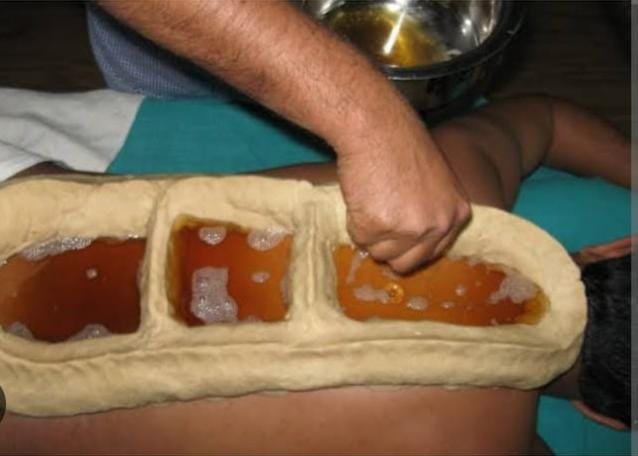
This therapy showcases high significance to the patients who are experiencing ailments in the knee. In Sanskrit,’ Janu’ indicates knee and ‘Basti’ indicates retaining Janu Basti. Janu Basti handles the pain, stiffness, and discomfort of the knee area. In this therapy, ayurvedic oil is used effectively to soothe pain and prevent stiffness, and inflammation in the joints area. Likewise, toxins are removed and joints get strengthened naturally. Janu Basti implicates pouring of warm ayurvedic herbal oil on impacted areas to rejuvenate the joints from inside out.
Virechan
This Panchakarma detoxification procedure aids in the purification of the body and psyche. In Sanskrit, the word “Virechana” itself means “purging” or “laxative.” Virechana is extremely effective at removing all ama (toxins) from the body and calming Pitta dosha disturbances. It is very beneficial for cleansing the small intestine. As laxatives and decongestants, the many ayurvedic herbs employed in the therapy cleanse the colon, stomach, sweat glands, liver, and spleen. It provides natural relief from metabolic problems, skin conditions, allergies, and gastrointestinal illnesses.
Vaman
Vaman is one of the significant therapies in panchakarma that provides relief from Kapha disorders. This therapy is done for the disturbed Kapha dosha, which dislodges the harmful toxins specifically from the respiratory and gastrointestinal tract. This therapy is done for preventive & remedial purposes. When Kapha dosha rises, it causes specific types of disorders – such as cold, cough, etc. Vamana is created to expel it. The Kapha Dosha is required to be brought from the furthest point and other organs into the stomach, and then vomiting is induced.
Uttara Basti
The procedure known as uttara basti involves injecting ghee or oil into the uterine cavity. It is a significant procedure mentioned in Ayurveda for resolving uterine problems. It is Uttara, as the name suggests; according to the word’s etymology, Uttara is an extraordinary variation of Basti. Since it is given such importance in Ayurveda, the method provides remarkable benefits for uterine health. Uttara basti, if appropriately timed and completed before pregnancy, will unquestionably give the uterus the necessary support and stability.
Basti
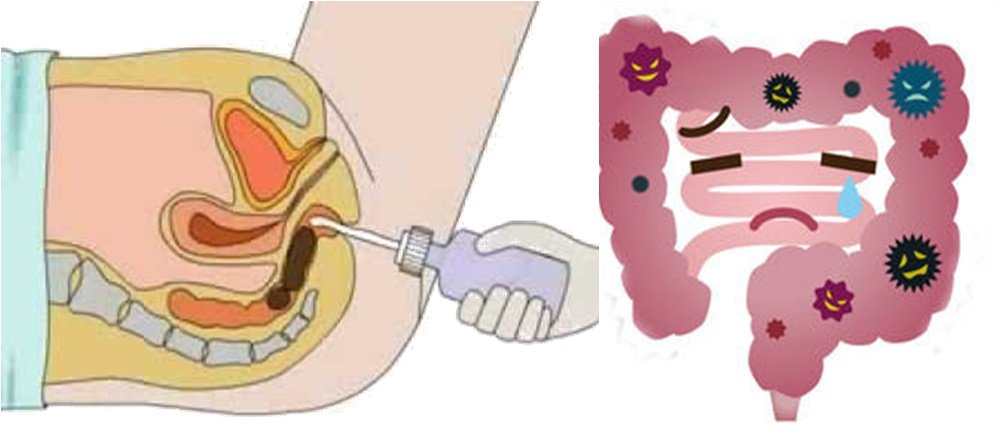
Basti is one of the most important therapies in Ayurveda, forming a key part of Panchakarma, the five detoxification procedures. It involves the administration of medicated liquids, such as oils (Anuvasana Basti) or herbal decoctions (Niruha Basti), into the rectum through the anal route. Basti helps in cleansing the colon, removing toxins (ama), and balancing the Vata dosha, which governs movement and circulation in the body. This therapy is beneficial in treating a wide range of conditions like constipation, arthritis, neurological disorders, infertility, and digestive problems. Basti also helps to nourish and strengthen the tissues, improve immunity, and promote overall well-being.
Raktamokshan
Raktamokshan is one of the five purification therapies (Panchakarma) in Ayurveda, aimed at detoxifying the body by removing impure blood. The term “Raktamokshan” literally means “bloodletting.” This therapy helps in eliminating toxins that accumulate in the bloodstream, which may cause various skin disorders, infections, inflammation, and other health issues. Different techniques are used for Raktamokshan, such as leech therapy (Jalauka), venesection (Siravedha), or pricking with needles, depending on the patient’s condition. It is believed to balance the Pitta dosha, improve circulation, and promote overall health and wellness when performed under the supervision of a qualified Ayurvedic practitioner.